.webp)

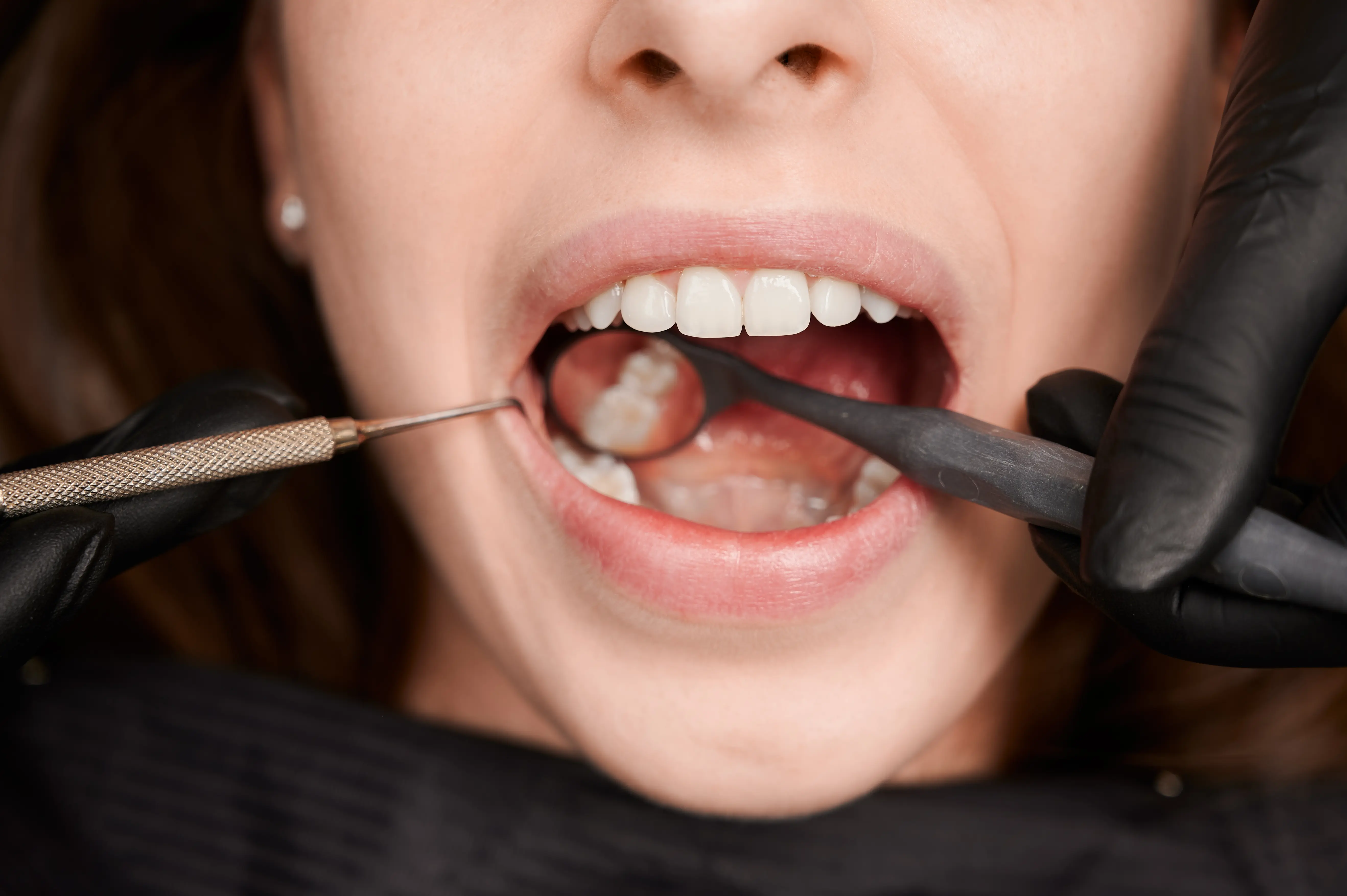
When you look in the mirror and notice your teeth appearing longer or feel sensitivity when drinking cold water, you may be seeing the early signs of gingival recession. Commonly known as receding gums, this condition occurs when the gum tissue surrounding the teeth begins to pull back, exposing more of the tooth or even the tooth root.
At Rand Center for Dentistry, we help patients identify the underlying causes of gum recession early so they can protect both the health and appearance of their smiles.
What Causes Receding Gums?
There is a common misconception that brushing too hard is the primary reason gums recede. While aggressive brushing with a hard-bristled toothbrush can irritate gum tissue and contribute to wear over time, it is rarely the main cause.
Periodontal Disease Is the Leading Cause
The most common cause of gingival recession is periodontal disease, also known as gum disease. This bacterial infection gradually destroys the gum tissue and supporting bone that hold the teeth in place.
When plaque and tartar accumulate around the gumline, the body’s inflammatory response begins breaking down the foundation supporting your teeth. Without treatment, the gums continue to recede and the condition may worsen over time.
Other Factors That Contribute to Gum Recession
Several additional factors may increase your risk of receding gums.
Genetics
Some people naturally have thinner gum tissue due to inherited genetics, making them more susceptible to recession even with good oral hygiene habits.
Misaligned Teeth (Malocclusion)
When teeth are not properly aligned, excessive pressure may be placed on certain areas of the gums and bone. Over time, this uneven force can contribute to gum recession.
Teeth Grinding (Bruxism)
Grinding or clenching your teeth, especially during sleep, creates repeated stress on the teeth and supporting structures. This pressure can gradually lead to gum recession and tissue damage.
Why Receding Gums Should Not Be Ignored
Gingival recession is not only a cosmetic concern — it is also a functional dental issue.
Unlike some tissues in the body, gum tissue does not grow back on its own. Once the root surface becomes exposed, the tooth becomes more vulnerable to root decay because the cementum covering the root is significantly softer than enamel.
As recession progresses, patients may also experience:
- Increased tooth sensitivity
- Discomfort when eating hot, cold, or sweet foods
- Higher risk of cavities near the root surface
- Loss of gum and bone support
- Tooth mobility or eventual tooth loss in severe cases
Early Detection Makes a Difference
The key to managing gum recession is identifying it early.
At Rand Center for Dentistry, modern diagnostic technology such as iTero® scanning and routine professional cleanings help detect early signs of recession and determine the underlying cause, whether it involves bacteria, bite pressure, alignment issues, or grinding habits.
By addressing these concerns early, patients can often prevent further damage and maintain healthier gums long term.
Protect Your Smile for the Future
Gum recession does not improve on its own, and delaying treatment can allow the condition to progress further. Taking action early is one of the best ways to protect your teeth, reduce sensitivity, and preserve your smile for years to come.
If you have noticed changes in your gumline or increased tooth sensitivity, scheduling an evaluation can help identify the cause before more significant damage occurs.
.jpg)